

About the event
The Central Bank of Montenegro will host a high-level international conference on 4 September 2026 in Luštica Bay, Tivat, marking the 25th anniversary of the Central Bank of Montenegro and 20 years since the restoration of Montenegro’s independence.
Titled “Central Banking in a High-Risk Environment: Stability, Infrastructure and Trust”, the conference will bring together central bank governors, senior policymakers and distinguished representatives of international financial institutions to discuss the evolving role of central banks in an increasingly uncertain global environment.
The event will provide a platform for strategic dialogue and the exchange of experiences on the key issues shaping modern central banking — from safeguarding financial stability and strengthening institutional resilience, to developing robust financial infrastructure and preserving public trust.
For the Central Bank of Montenegro, this anniversary conference represents not only an opportunity to reflect on 25 years of institutional development, but also a strong affirmation of its commitment to credible policymaking, European integration and alignment with the standards and values of the European institutional framework.
Agenda
Four high-level panels will bring together central bank governors and senior experts to discuss complementary aspects of central banking in a challenging and high-risk environment.
 Conference lobby
Governor, Central Bank of Montenegro Keynote address (Video message) Kristalina Georgieva,
Managing Director, International Monetary Fund Welcoming remarks Jakov Milatović, President of Montenegro
Financial Stability Policy Under Pressure: The Role of Macroprudential Tools, Supervisory Judgment and Political Economy Constraints
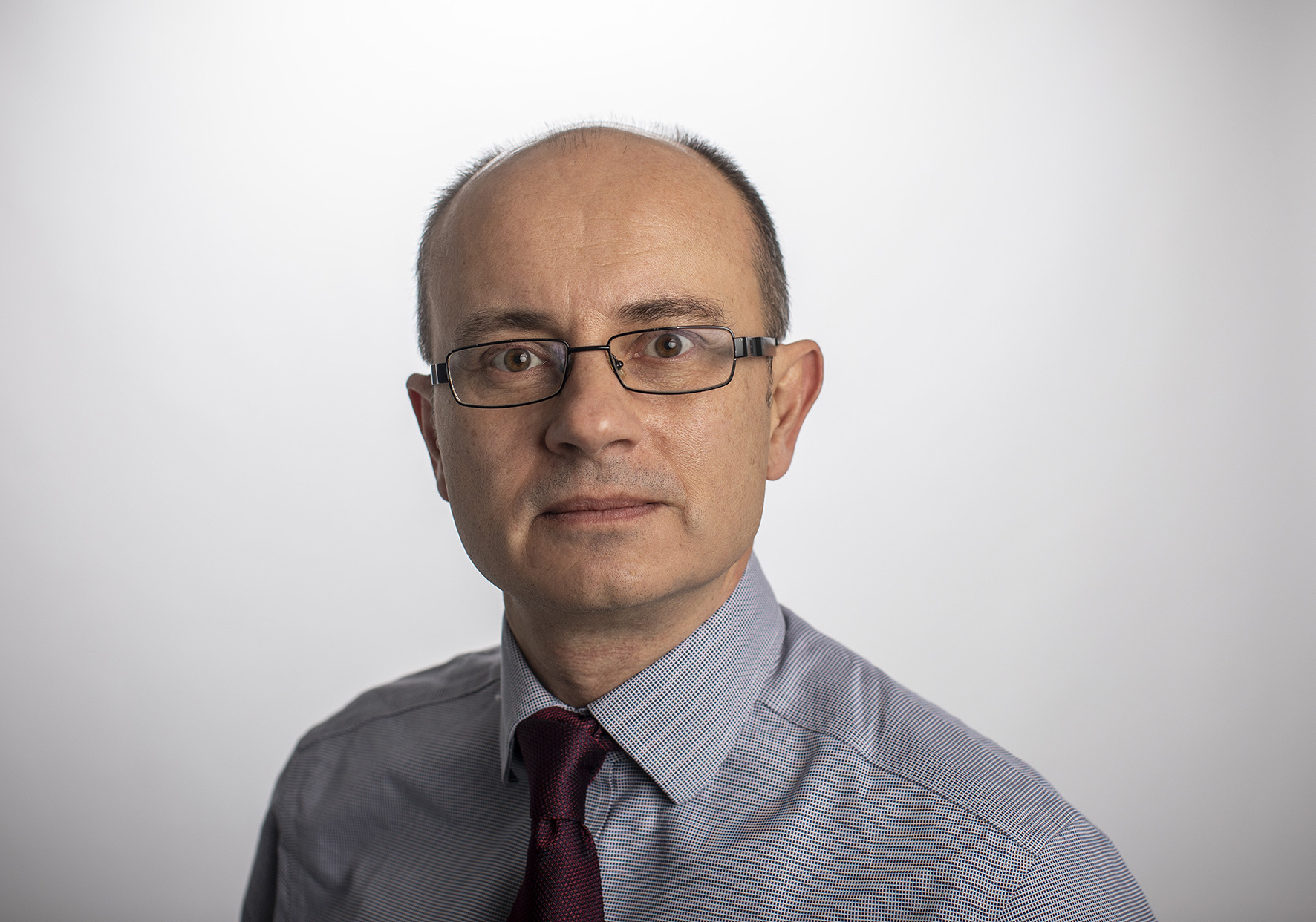
Chris Giles
ModeratorFinancial Times Columnist, Former Economics Editor of Financial Times
Biography
Chris Giles is the FT’s economics commentator. He writes a fortnightly column and the weekly newsletter, Chris Giles on Central Bank. Previously, he was the FT's global economics editor for almost 20 years and served as a leader writer. He is an Honorary Professor of Practice at University College London. Before joining the FT, he worked for the BBC, Ofcom and the Institute for Fiscal Studies.
Panelists:
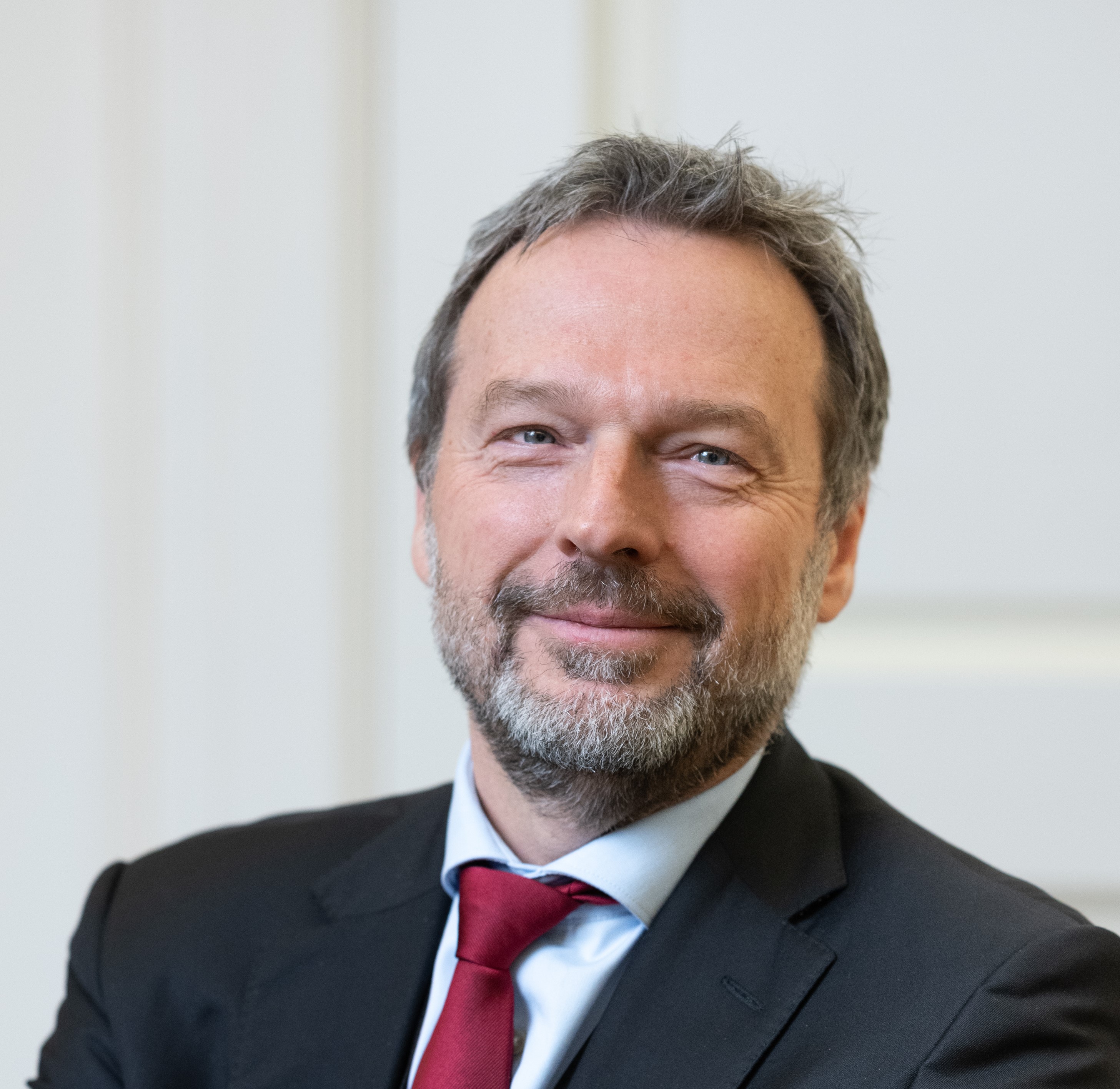
Pierre Wunsch
Governor, National Bank of Belgium
Biography
Pierre Wunsch is Governor of the National Bank of Belgium, member of the ECB’s Governing and General Council, the European Systemic Risk Board, and the Board of Directors of the Bank for International Settlements. He is also IMF Governor, Chairman of the Resolution College, member of the High Council for Finance and the Board of Directors of the National Accounts Institute, and Chair of the Board of Governors of the King Baudouin Foundation. He was Director of the Strategic Finance Cell at the Ministry of Finance during the financial crisis of 2008. He holds a PhD in Economics from UCL and a Master’s degree in Public and International Affairs from Princeton.
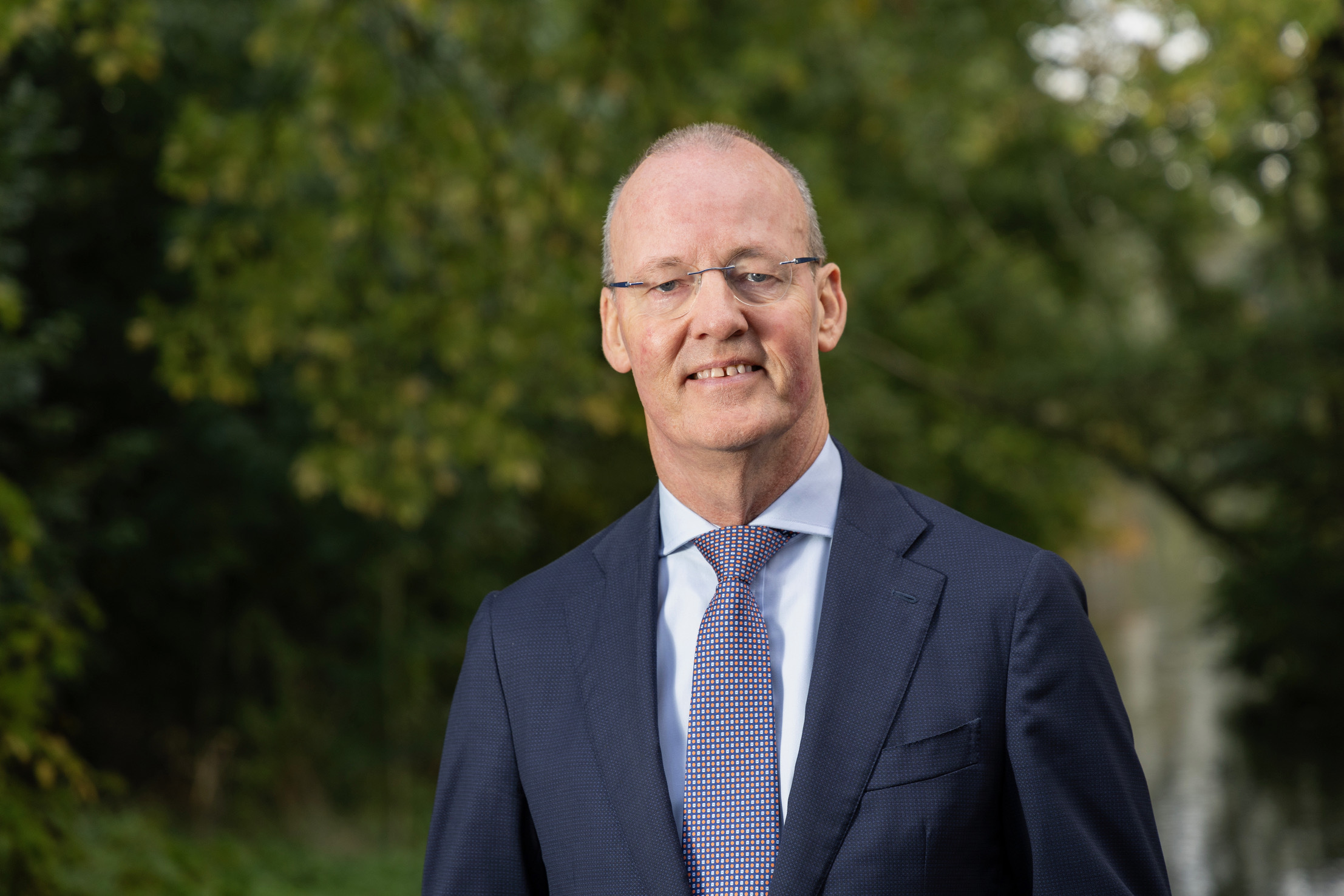
Klaas Knot
Distinguished Visiting Fellow,
Peterson Institute for International
Economics;
Former President, De Nederlandsche Bank;
Former Chair, Financial
Stability Board
Biography
Klaas Knot was President of De Nederlandsche Bank from 1 July 2011 to 1 July 2025. During this period, he was also a member of the European Central Bank's Governing Council and General Council, the European Systemic Risk Board, the International Monetary Fund's Board of Governors, and the Bank for International Settlements' Board of Directors. He also served as Chair of the G20's Financial Stability Board from 2 December 2021 to 1 July 2025.
Knot currently runs his own strategic consultancy firm, KK Economic Advisory, advising European and Dutch public authorities on issues including crisis management, central bank independence and financing public infrastructure. He also holds several secondary positions, including Distinguished Visiting Fellow at the Peterson Institute for International Economics and member of the CFA Institute Systemic Risk Council. He has been an active member of the Group of Thirty since 2019 and has been (honorary) professor of money and banking at the University of Groningen since 2005 and honorary professor of monetary stability at the University of Amsterdam since 2015.
Before assuming DNB's presidency, Knot served as Director of Financial Markets and (Deputy) Treasurer-General at the Dutch Ministry of Finance (2009–2011). He held various positions at DNB from 1995 to 2009, interspersed with positions at the International Monetary Fund (1998–1999) and the former Dutch Pensions and Insurance Supervisory Authority (2003–2004). He earned his undergraduate degree with honors in economics from the University of Groningen in 1991 and his doctorate in economics there in 1995. In 2025, he was appointed Grand Officer of the Order of Orange-Nassau in recognition of his distinguished public service.
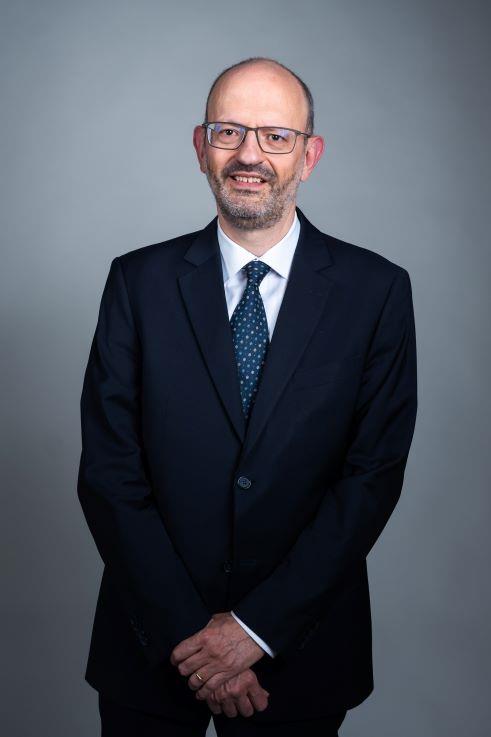
Francesco Mazzaferro
Head of the Secretariat, European Systemic Risk Board
Biography
Francesco Mazzaferro has been Head of the Secretariat of the European Systemic Risk Board (ESRB) since January 2011. He also serves as a member of the Boards of Supervisors of the European Insurance and Occupational Pensions Authority (EIOPA) and the European Securities and Markets Authority (ESMA).
Under his leadership, the ESRB Secretariat has acted as the ESRB’s think tank and as a key pillar of the European Union's macroprudential oversight framework. The Secretariat leads the ESRB's analytical, policy, data and institutional work, supporting the identification, assessment and mitigation of systemic risks across the EU financial system. Mr. Mazzaferro also oversees the ESRB's institutional engagement and cooperation with central banks, supervisory authorities, European institutions and policymakers across the European Union.
Prior to joining the ESRB Secretariat, Mr. Mazzaferro held several senior positions at the European Central Bank, where he worked first on European Monetary Union planning and later on ECB external relations in the neighbourhood of the euro area. Earlier in his career, he worked at the European Commission on the ECU and contributed to preparations for the introduction of the single currency. He holds a degree in Law from the University of Bologna in Italy, where he specialised in EU law and the legal aspects of the euro.
Financial Fragmentation, Cross-Border Spillovers and the Re-Pricing of Global Financial Interdependence
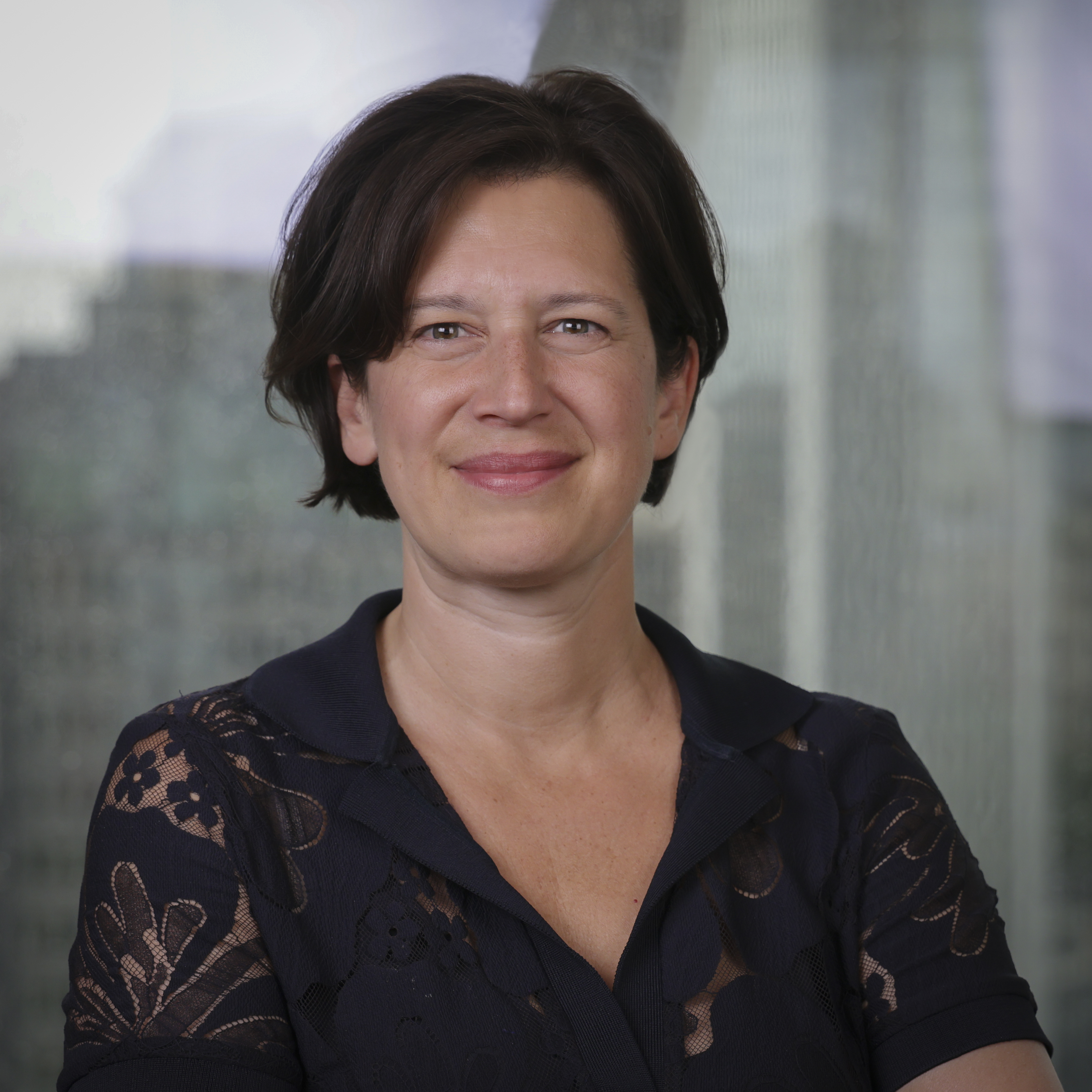
Zoe Schneeweiss,
ModeratorEconomics Editor, Bloomberg News
Biography
Zoe Schneeweiss leads Bloomberg's economic coverage across western Europe. A Vienna native, she started her career at Bloomberg in 2008 in her hometown, where she served as bureau chief for three years, before spending the next decade in Zurich and London. In 2021, she moved to Frankfurt to head coverage of central banks, economic indicators and fiscal policy.
Panelists:
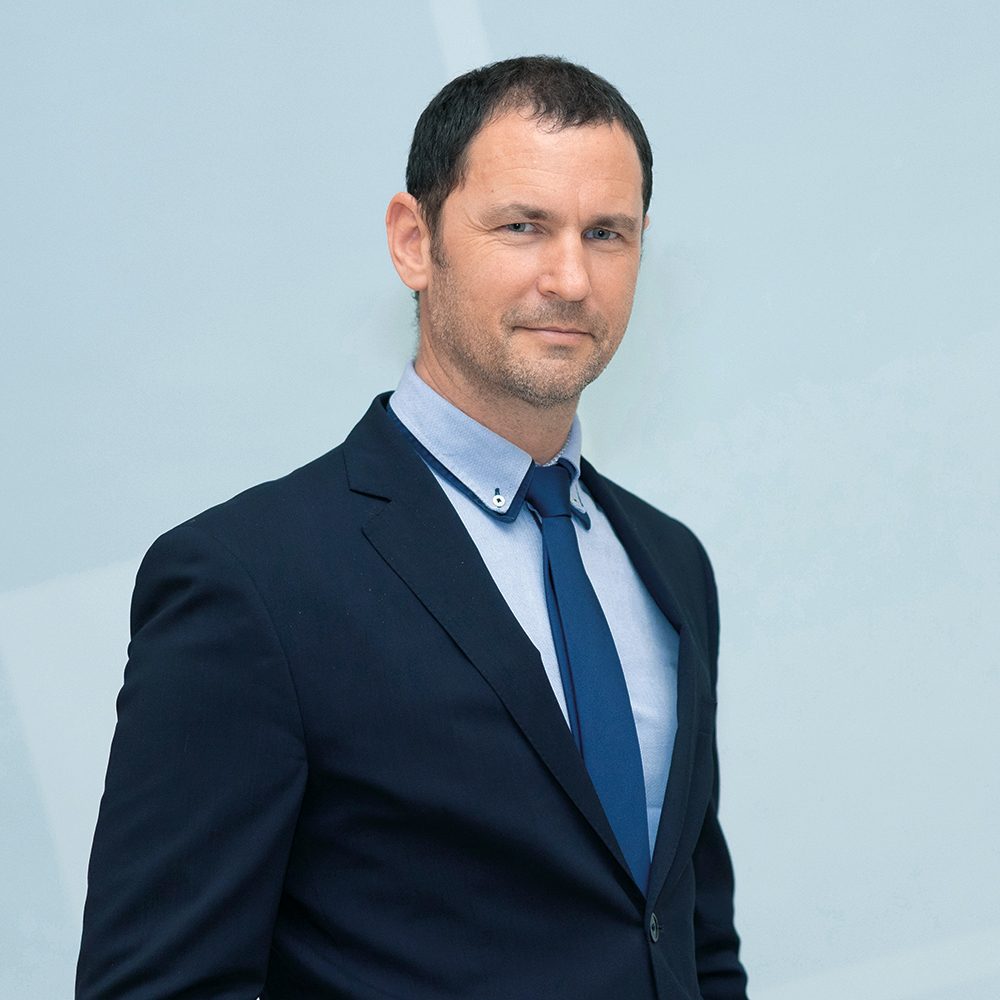
Primož Dolenc
Governor, Bank of Slovenia
Biography
Primož Dolenc is the Governor of Banka Slovenije and the president of its Governing Board. He assumed the function in March 2026 for a six-year term, after being appointed by the National Assembly of the Republic of Slovenia.
He has been working at Banka Slovenije since 2016, mostly as a vice-governor and member of the Governing Board. For most of his term as vice-governor, he also held the position of deputy- governor and headed Banka Slovenije for two periods in the absence of a governor.
Primož Dolenc is a graduate of the University of Ljubljana’s School of Economics and Business, where he also completed his master’s and doctorate. He defended his doctoral dissertation on asset management and government debt in 2006. Since 2000, he has held advisory and managerial positions at several financial institutions and was also a full professor and researcher at the University of Primorska, with responsibility for banking and finance.
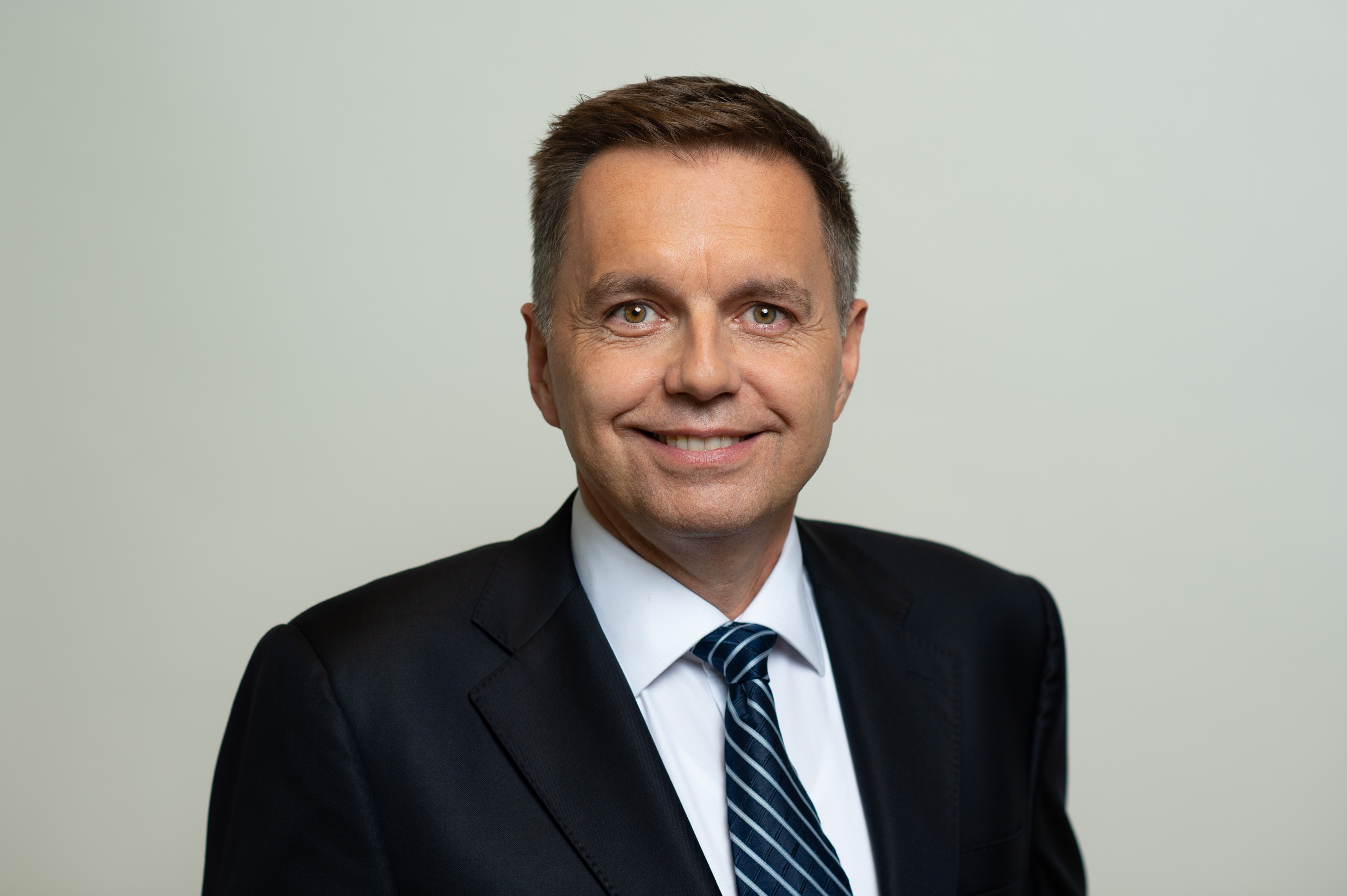
Peter Kažimír
Governor, Národná banka Slovenska
Biography
Peter Kažimír has been the Governor of the National Bank of Slovakia since June 2019 and, in this capacity, a member of the Governing Council of the European Central Bank. Prior to assuming the role of Governor at the central bank, he served as Finance Minister from 2012 to 2019. Before that, he held the position of State Secretary at the Ministry of Finance from 2006 to 2010. During his tenure as Finance Minister, in the latter half of 2016, as part of the Slovak Presidency of the Council of the European Union, he officially represented the European Union and the Eurogroup at the G20 and G7 meetings.

Ásgeir Jónsson
Governor, Central Bank of Iceland
Biography
Dr. Ásgeir Jónsson was appointed Governor of the Central Bank of Iceland for a term of five years. He holds a doctoral degree in economics from Indiana University, with international finance, monetary economics and economic history as major subjects. His doctoral dissertation focused on the short-term stabilization of economic cycles in a small open economy.
A member of the University of Iceland Faculty of Economics since 2004, first as a lecturer and then as an associate professor, Dr. Jónsson has served as dean of the Faculty of Economics since 2015. Concurrent with his academic work, he served as an economics consultant to the finance companies Virðing and Gamma.
Dr. Jónsson has also held other positions of trust, including chairing a task force on the review of Iceland’s monetary policy framework. From 2004 to 2011, he was chief economist and head of the research department at Kaupthing Bank (later Arion Bank). From 2000 to 2004, he was employed as a specialist at the University of Iceland Institute of Economic Affairs and as a part- time instructor at the university.
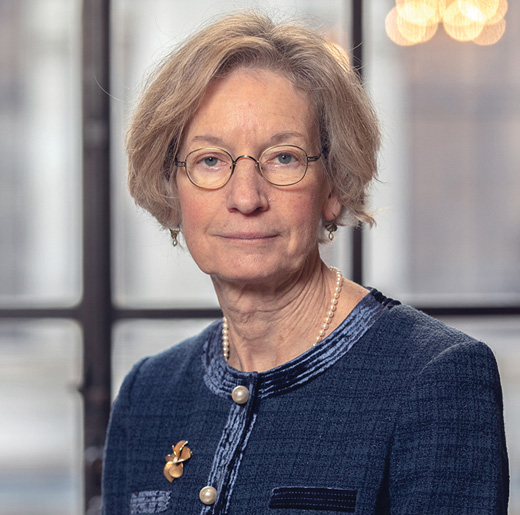
Catherine L. Mann,
External Member, Monetary Policy Committee, Bank of England
Biography
Catherine Mann is a member of the Monetary Policy Committee and holds academic and research positions as professor of the practice at Brandeis University in Massachusetts, and honorary professor at the University of Manchester and the Productivity Institute. She was in the first cohort of fellows of the Centre for Economic Policy Research and the Royal Economic Society.
Before her appointment, Catherine was global chief economist at Citibank (2018 to 2021) and chief economist, head of the economics department and G20 finance deputy at the Organisation for Economic Co-operation and Development (2014 to 2017). Previously, she was Rosenberg Professor of Global Finance at Brandeis University, senior fellow at the Peterson Institute for International Economics and assistant director in the international finance division at the Federal Reserve Board. She also worked at the World Bank and the Council of Economic Advisers at the White House.
Catherine is a member of the Society of Professional Economists in the UK, as well as the Council on Foreign Relations and the American Economic Association in the US, among others. She has also served as chair of the Economic Advisory Committee of the American Bankers Association, a member of the executive board of the Committee on the Status of Women in the Economics Profession, on the board of the National Association for Business Economics, and on the advisory committees of the Federal Reserve Banks of Chicago, Boston and New York.
Her research has focused on international economic relationships and outcomes, covering trade, finance, climate, productivity and inequality. She has authored or co-authored seven books, more than 60 articles and several shorter pieces and testimony. She holds an undergraduate degree from Harvard University and a PhD from the Massachusetts Institute of Technology.
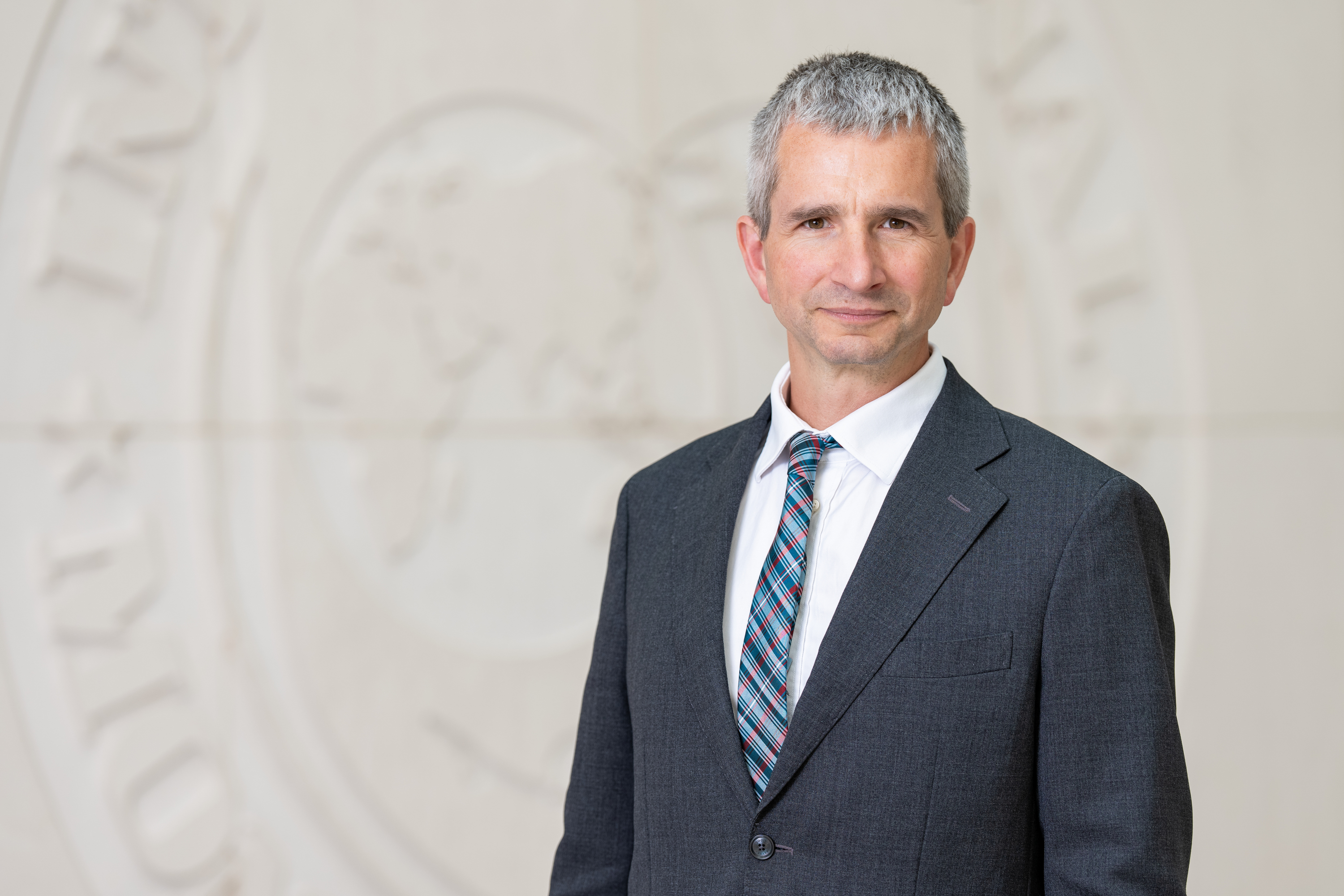
Mateusz Szczurek,
Director, European Department, International Monetary Fund
Biography
Mr. Szczurek has been the Director of the European Department at the International Monetary Fund since July 2026. In this capacity, he oversees the IMF’s work with Europe. Mr. Szczurek served as Poland’s Minister of Finance from 2013 to 2015, where he was responsible for fiscal policy, public debt management, international economic cooperation and oversight of financial institutions. He also represented Poland in major international fora and played a key role in advancing reforms to strengthen fiscal management and public administration.
Since 2024, he has served as Member of the Management Board and Chief Risk Officer at BGK, Poland’s development bank, overseeing risk, ESG, sectoral analysis and financial modeling. From 2016 to 2024, he held senior roles at the European Bank for Reconstruction and Development, leading work on macroeconomic assessment, reform monitoring and policy dialogue in EU countries of operation. During that period, he was also a member of the inaugural European Fiscal Board.
Earlier in his career, Mr. Szczurek was Chief Economist for Central and Eastern Europe at ING Bank and held various economist positions in the banking sector. He has also taught public finance and international economics at the University of Warsaw. Mr. Szczurek holds degrees from the University of Warsaw, Columbia University and the University of Sussex, where he earned his PhD in Economics.
Credibility, Policy Space and EU Alignment in a High-Risk Context
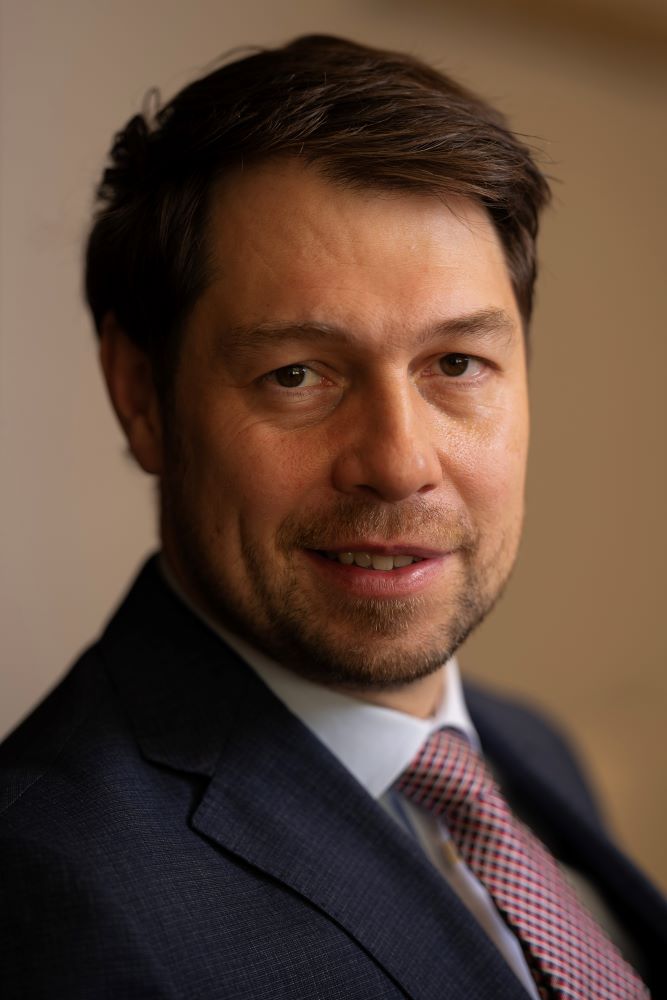
Jeroen Clicq, Moderator
Executive Director, International Monetary Fund
Biography
Jeroen Clicq is a senior macro-economist with extensive experience advising high-level policy makers on international economic, political, financial and supervisory issues.
He is a graduate of the College of Europe (Bruges), with an MA in European Economic Studies from the Vrije Universiteit of Brussels and an MS in Business Engineering. He started his career in 2004 with PensionsEurope and joined the National Bank of Belgium in 2011 as advisor for international cooperation, conducting research on global economic developments and IMF policy issues.
Between 2014 and 2018, Mr. Clicq was advisor in the Belgian-Dutch International Monetary Fund Constituency Office. He subsequently worked for the National Bank of Belgium, conducting on-site inspections in the areas of market risk, risk management and governance. From January 2021, he served as macroeconomics advisor to the Prime Minister of Belgium, where he also led the Belgian policy response on the windfall profits of immobilized Russian assets held by Euroclear for supporting Ukraine.
As of November 1, 2024, Mr. Clicq serves as Executive Director of the International Monetary Fund on behalf of the Principality of Andorra, Armenia, Belgium, Bosnia and Herzegovina, Bulgaria, the Republic of Croatia, Cyprus, Georgia, Israel, Luxembourg, the Republic of North Macedonia, the Republic of Moldova, Montenegro, the Kingdom of the Netherlands, Romania, and Ukraine.
Panelists:
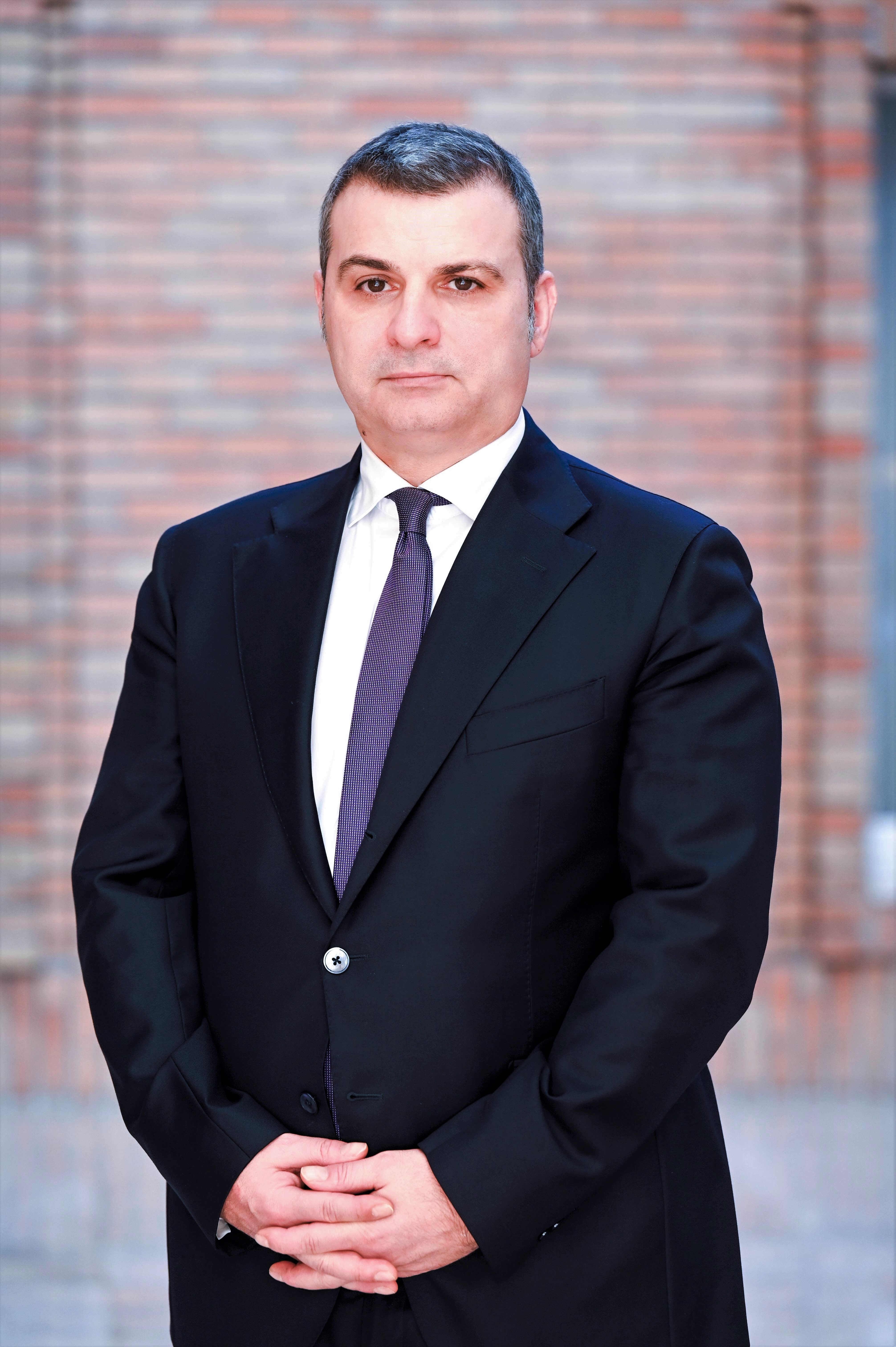
Gent Sejko
Governor, Bank of Albania
Biography
Mr. Gent Sejko has been the Governor of the Bank of Albania and Chairman of its Supervisory Council since 5 February 2015. He also serves as Albania’s Governor at the International Monetary Fund (IMF) and MIGA (World Bank Group) and is an active member of several international financial bodies. Governor Sejko holds a PhD in Economics and brings over three decades of experience in central banking, financial markets and macroeconomic policy. His career includes senior positions at the Bank of Albania, international auditing firms, and leading executive roles in Albania’s commercial banking sector. Prior to his appointment as Governor, he served as Deputy General Manager of Société Générale Albania.
During his mandate, Governor Sejko has placed particular emphasis on modernizing Albania’s banking and payments systems, promoting financial inclusion, and further aligning the Bank of Albania’s policies and financial infrastructure with European standards. Under his leadership and through the Bank of Albania’s sustained engagement, Albania secured membership in the Single Euro Payments Area (SEPA), marking a major milestone in the country’s financial integration with the European Union. Governor Sejko is the author of The Central Bank and its Policies in the COVID-19 Era: Future Challenges, published in 2022, and has delivered numerous speeches and lectures at prestigious national and international events.
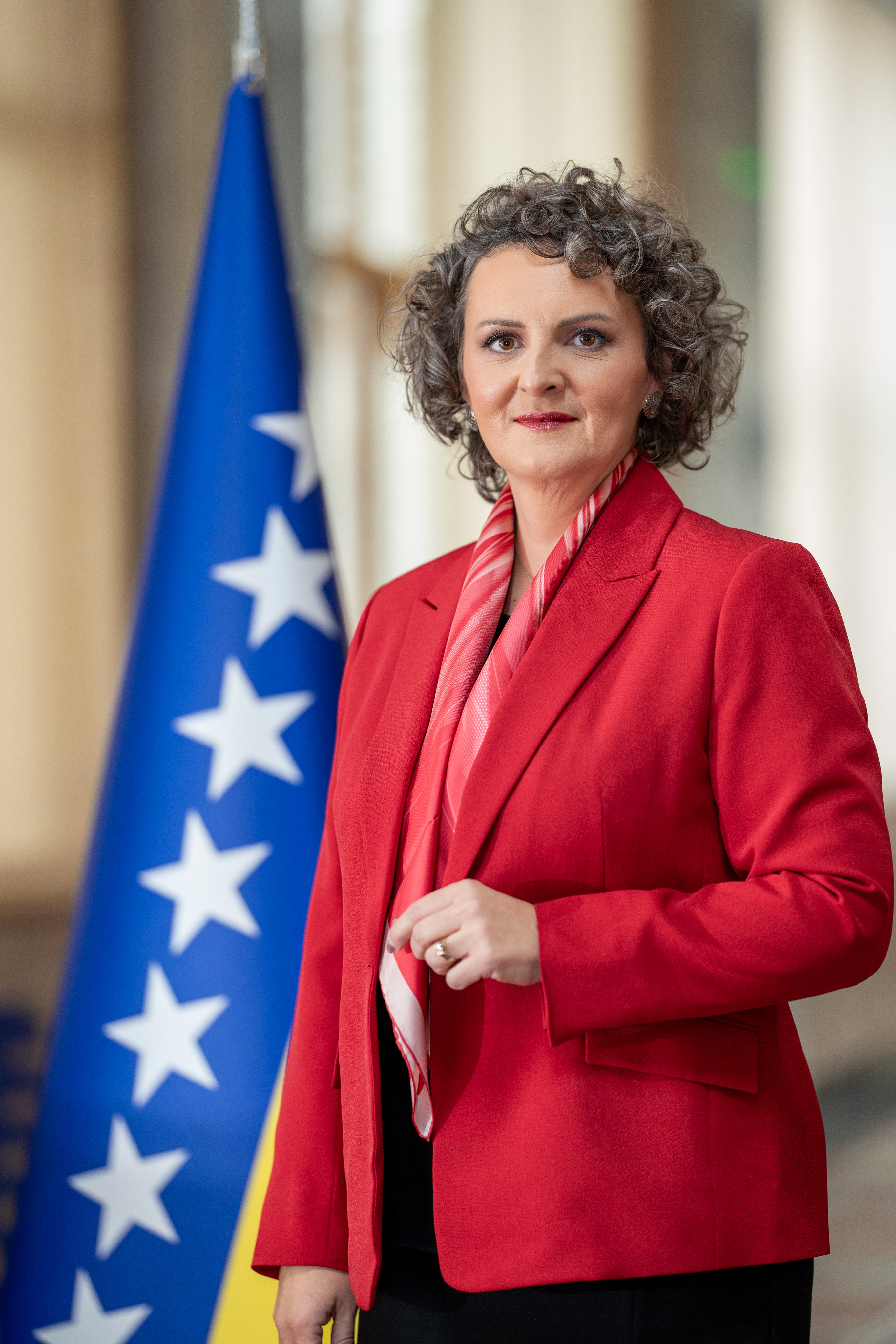
Jasmina Selimović
Governor, Central Bank of Bosnia and Herzegovina
Biography
Jasmina Selimović has been the Chair of the Governing Board/Governor of the Central Bank of Bosnia and Herzegovina since January 2024.
She completed her graduate and postgraduate studies with a major in finance at the School of Economics and Business, University of Sarajevo, where she defended her Ph.D. dissertation in actuarial science, which she prepared in the USA. She is a full professor at the Departments of Finance and Quantitative Economics and previously performed duties as Vice Dean for Teaching and International Cooperation. From 2018 to 2024, she held the position of Dean of the School of Economics and Business.
Jasmina Selimović is a published author of books and numerous scientific articles and a member of a variety of domestic and international professional associations. She is an international accreditation expert at quality assurance agencies in EU countries, a licensed permanent court economic expert, certified internal auditor for banks and financial institutions, and certified actuary.
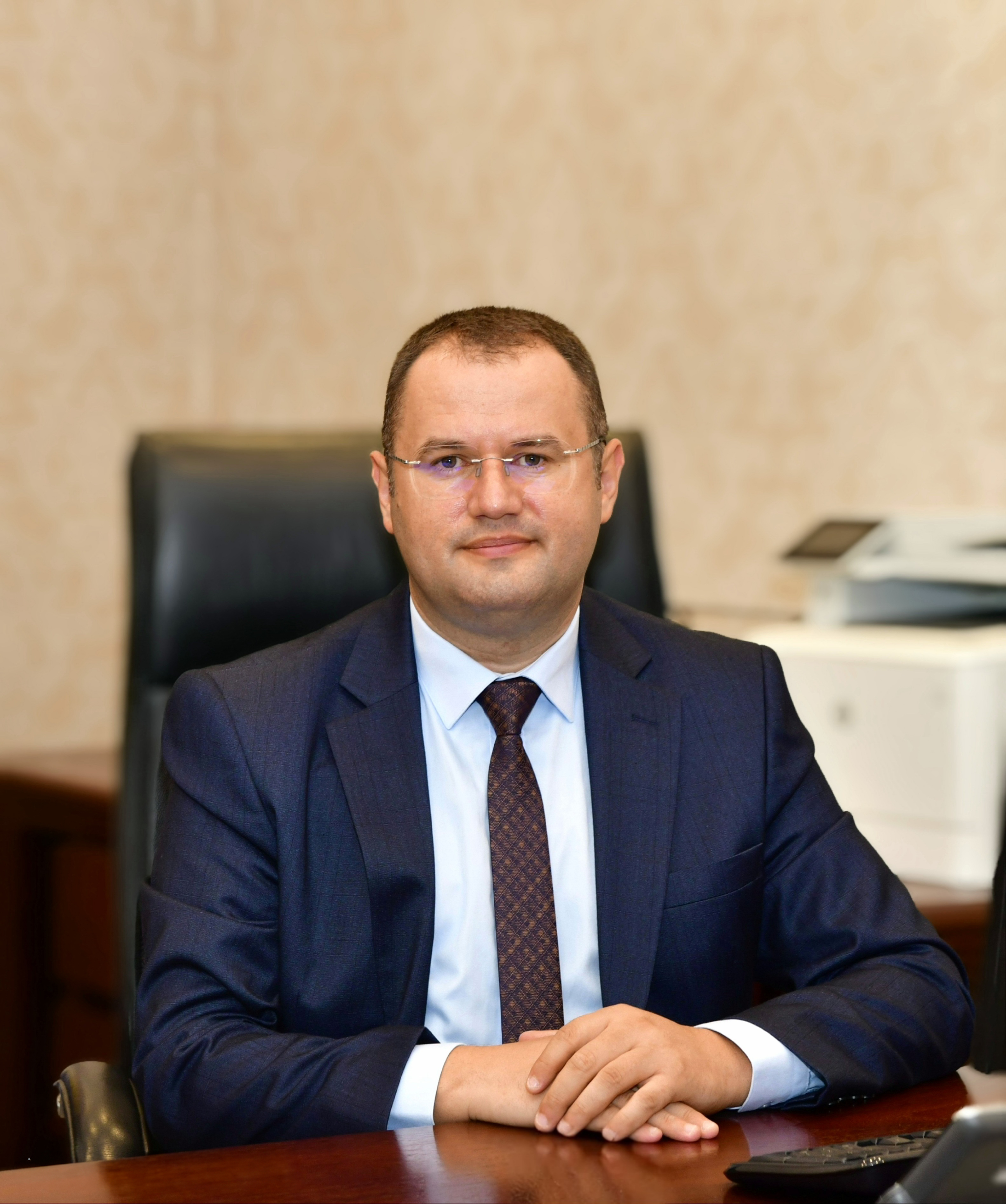
Ahmet Ismaili
Governor, Central Bank of the Republic of Kosovo
Biography
Dr. Ahmet Ismaili is the Governor of the Central Bank of the Republic of Kosovo (CBK) and chairs its Executive Board. With over 22 years of experience in banking and finance, he has held senior management positions in both the financial industry and the public sector, including CEO and Board Member roles in local and international financial institutions.
Dr. Ismaili has also been a lecturer at the Public University of Prishtina, teaching banking and finance, and served as a senior trainer for the Banking Association for nearly 15 years. He served a full five-year mandate as General Director of the State Treasury of the Republic of Kosovo under the Ministry of Finance and has held several other key public roles, including Managing Director, Board Member and Audit Committee Member in public institutions in Kosovo.
As Governor, Dr. Ismaili chairs the Management Board of the Deposit Insurance Fund, represents Kosovo on the Board of Governors of the IMF, and serves as Alternate Governor for the World Bank Group.
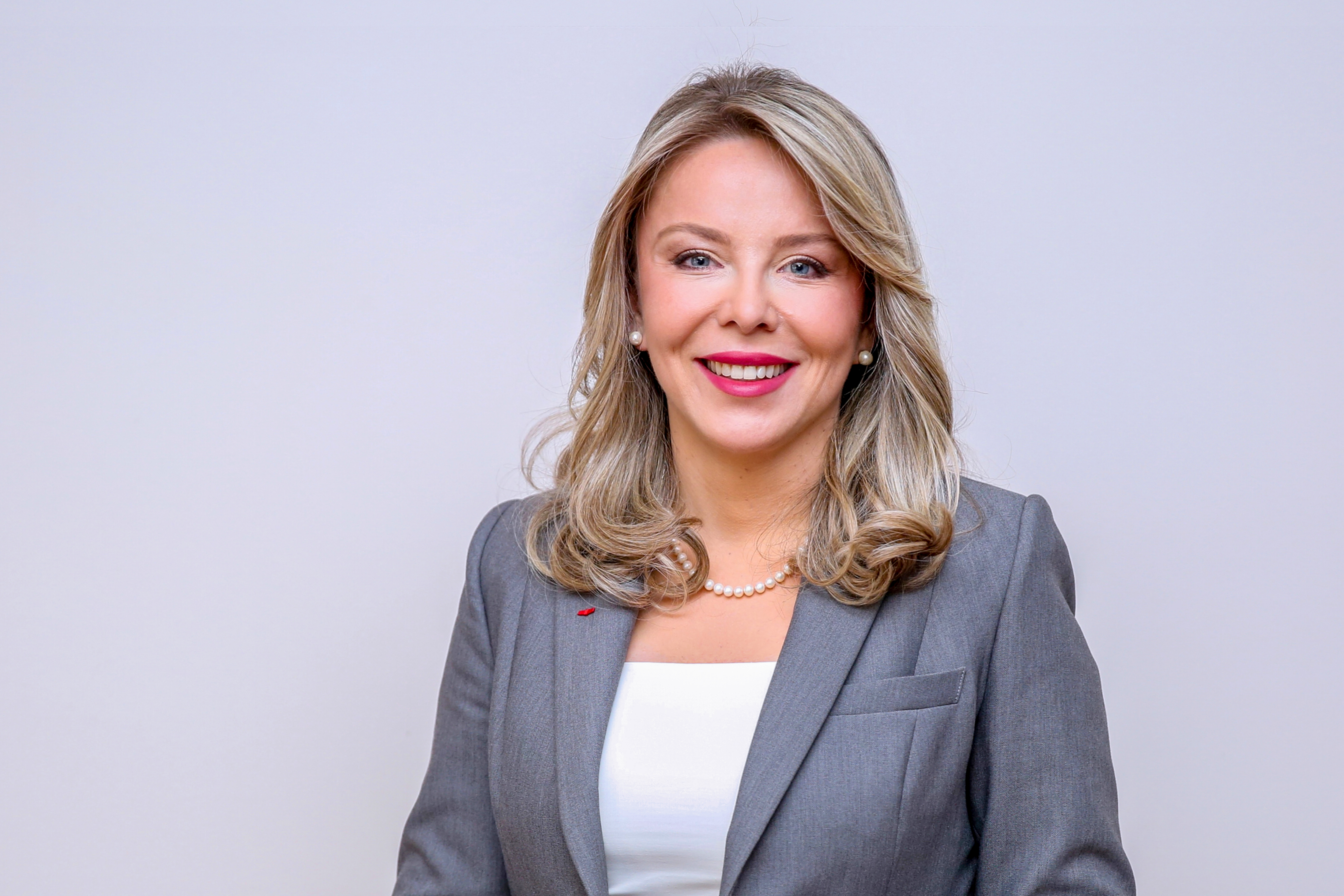
Irena Radović
Governor, Central Bank of Montenegro
Biography
Irena Radović has served as Governor of the Central Bank of Montenegro (CBCG) since December 2023. She chairs Montenegro’s Financial Stability Council and represents the country on the IMF Board of Governors. She brings more than 26 years of professional experience spanning central banking, economic policy, development finance, diplomacy and European integration.
As Governor, she is leading the strategic transformation of the CBCG and its preparations for integration into the European System of Central Banks, with a strong focus on alignment with the EU acquis and ESCB standards, strengthening financial supervision, modernising payment infrastructure, and advancing Montenegro’s integration into the European financial architecture. During her tenure, Montenegro became the first Western Balkan country to join the Single Euro Payments Area (SEPA) and, in July 2026, introduced TIPS clone instant payments available 24/7/365.
From 2020 to 2023, Radović served as Executive Director of Montenegro’s national development finance institution, the Investment and Development Fund, now the Development Bank of Montenegro. Earlier, from 2016 to 2018, she served as Vice Governor of the Central Bank of Montenegro, with responsibility for banking supervision, regulation and supervision of non-bank financial institutions, and financial consumer protection.
Her earlier career spans senior diplomatic, government and academic positions. She served as Head of the British Office and Representative of the British Government in Montenegro, Deputy to the British Ambassador, Deputy Minister of Foreign Affairs, and Ambassador of Montenegro to France, with concurrent accreditation to Monaco and Andorra. From 1999 to 2007, she also held a full-time academic position at the Faculty of Economics, University of Montenegro.
Governor Radović is a recognised advocate for gender equality, women’s economic empowerment and inclusive and sustainable finance. She authored Montenegro’s first National Agenda for Women’s Economic Empowerment, launched the national Women on Boards Programme 2023–2026, and serves as Montenegro’s National Lead for the global We-Fi Code. In 2022, she was awarded the Legion of Honour, France’s highest national distinction.
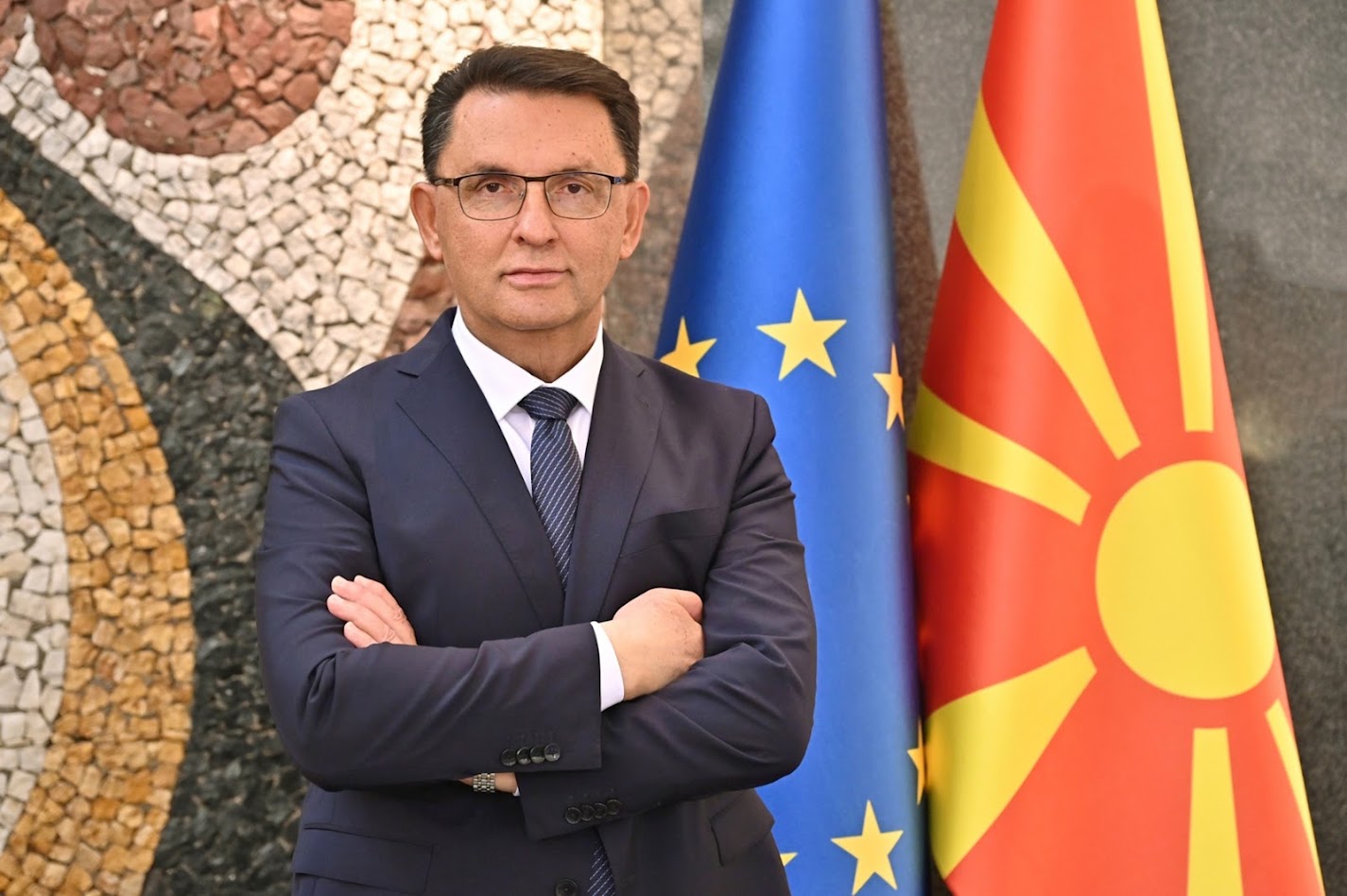
Trajko Slaveski
Governor, National Bank of the Republic of North Macedonia
Trajko Slaveski, Ph.D. was born in Ohrid in 1960 and is a full professor at the Faculty of
Economics, Sts. Cyril and Methodius University in Skopje, where he also graduated. He
completed postgraduate studies at California State University and Harvard University and was a
visiting professor at Arizona State University. From 1999 to 2006, he taught at the postgraduate
study program for Southeast European Studies at the National and Kapodistrian University of
Athens.
Dr. Slaveski is a co-author of the first Anti-Inflation Program of the Republic of Macedonia,
which was crucial for economic stabilization following the declaration of independence in 1992
and laid the foundations for the introduction of the denar. He served as Minister of
Development (1999–2000) and Minister of Finance (2006–2009) in the Government of the
Republic of Macedonia, and in 2021 was elected President of the Skopje City Council. As
Minister of Finance, he served as Governor of the World Bank and the European Bank for
Reconstruction and Development for the country.
As a member of the Government, he initiated and led reforms including the introduction of flat
tax, payment system modernization, and the integrated collection of personal income tax and
social security contributions. He was closely involved in fiscal policy implementation during high
inflation in 2007 and the Great Recession of 2007–2009.
He has authored eight books, several in co-authorship, as well as numerous scientific and
expert articles published in domestic and international journals and public media.
Biography
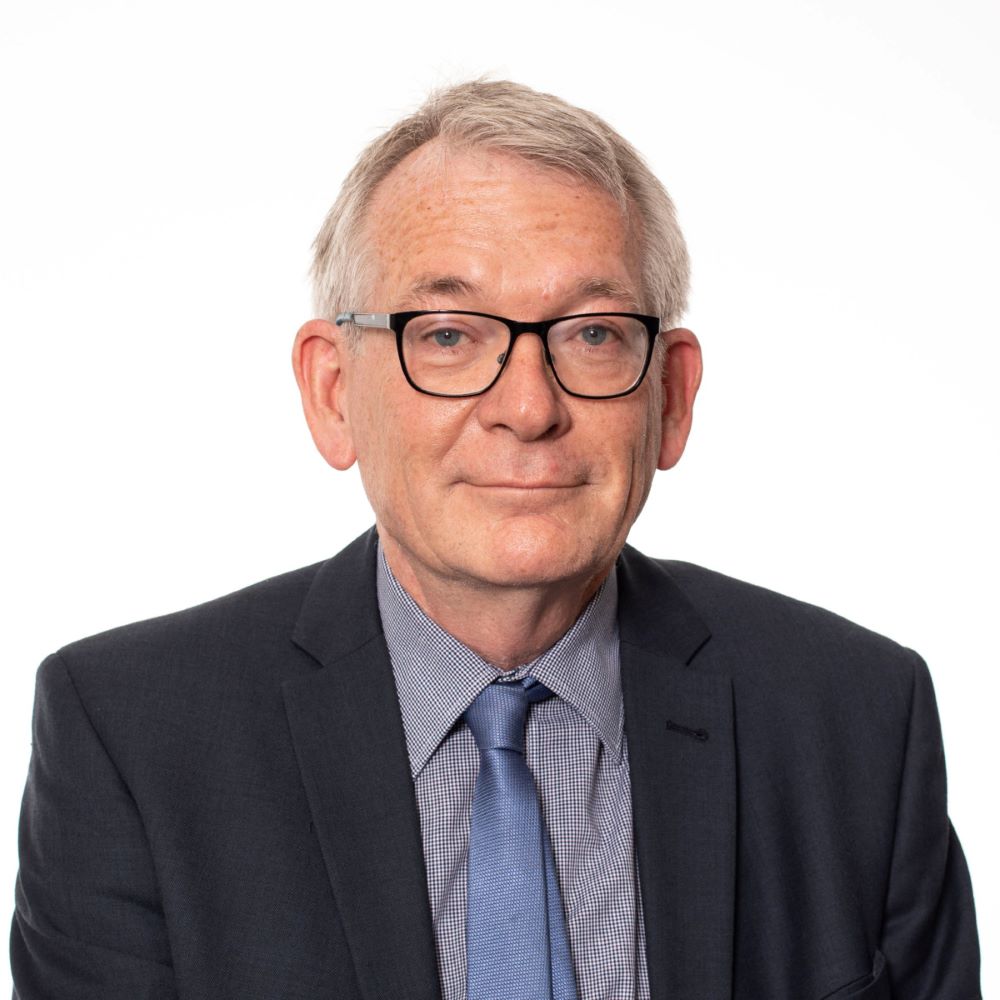
David Marsh Moderator
Chairman, Official Monetary and Financial Institutions Forum (OMFIF)
Biography
David Marsh is Chairman, Chief Executive Officer and Co-Founder of OMFIF. Before starting at OMFIF in late 2009, he worked for City merchant bank Robert Fleming, corporate finance boutique Hawkpoint, German management consultancy Droege and London investment firm London & Oxford. He took over the chairmanship from John Plender in January 2018, having been Managing Director since 2014, and reverted to an executive role after John Orchard stepped down in October 2024 following five years as Chief Executive Officer.
Marsh is a visiting Professor at Sheffield University and King’s College London. He is former co- founder, chairman and deputy chairman of the German-British Forum. He was made Commander of the British Empire in 2000 and was awarded the German Order of Merit (Bundesverdienstkreuz) in 2003.
He started his career at Reuters in 1973 after graduating with a BA in chemistry from The Queen’s College Oxford. Between 1978 and 1995, he worked for the Financial Times in France and Germany, latterly as European Editor in London. Marsh has written six books on politics and economics, mainly on Germany and Europe. His seventh book, Can Europe Survive? The Story of a Continent in a Fractured World, was published by Yale University Press in autumn 2025.
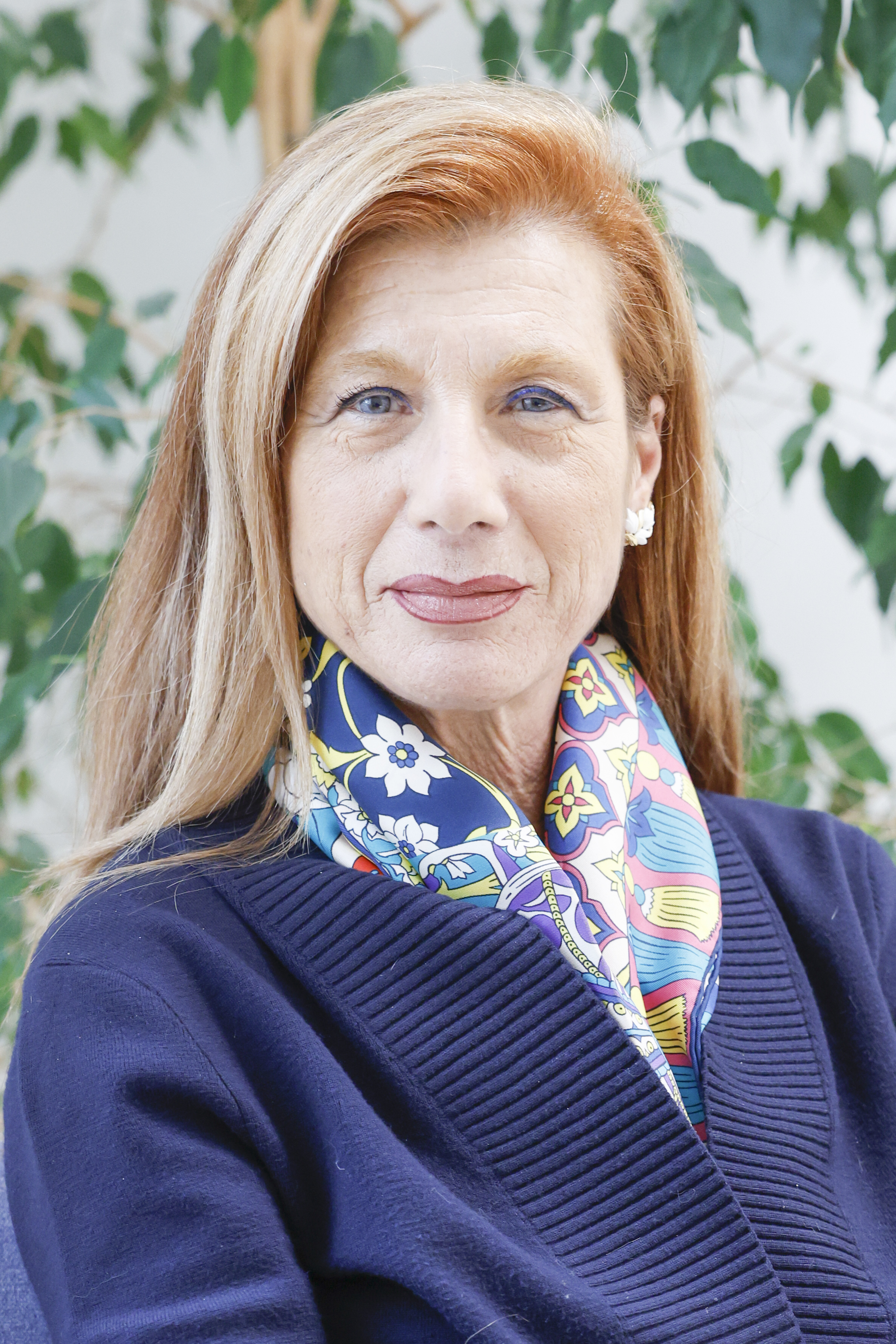
Chair, Authority for Anti-Money Laundering and
Countering the Financing of Terrorism (AMLA)
Biography
Bruna Szego serves as the Chair of the Anti-Money Laundering Authority (AMLA), where she is tasked with developing the agency's operations and ensuring the implementation of its critical goals. Her priorities include establishing direct and indirect supervision mechanisms, coordinating the Financial Intelligence Units (FIUs), and setting standards across the EU to ensure efficient action against money laundering and terrorism financing.
Ms. Szego began her career at the Bank of Italy in 1990 and has since advanced through roles of increasing responsibility. Prior to leading AMLA, she headed the AML Supervision and Regulation (SNA), established in June 2022 to strengthen the Bank’s efforts to combat money laundering and terrorism financing. She was instrumental in guiding its inception, overseeing logistics, recruitment, IT development, risk assessment methodologies and strategic communication across multiple stakeholders.
Previously, Ms. Szego headed the Regulations and Macroprudential Analysis Directorate within the Directorate General for Financial Supervision and Regulation, directing the rulemaking process concerning financial intermediaries and the financial system. Her work included the post-crisis Basel reforms, the Banking Union, the resolution framework and AML regulations.
Throughout her career, she has participated in high-level European bodies, including the SRB, EBA BoS, EBA Resolution Committee, EBA AML Standing Committee, and ECB and ESRB Committees. Her academic background in law, combined with extensive research experience in law and economics, laid the groundwork for her career in financial supervision and regulation. She is honored as a Knight of the Italian Republic.
The International Role of the EURO in a Fragmenting Global Economy
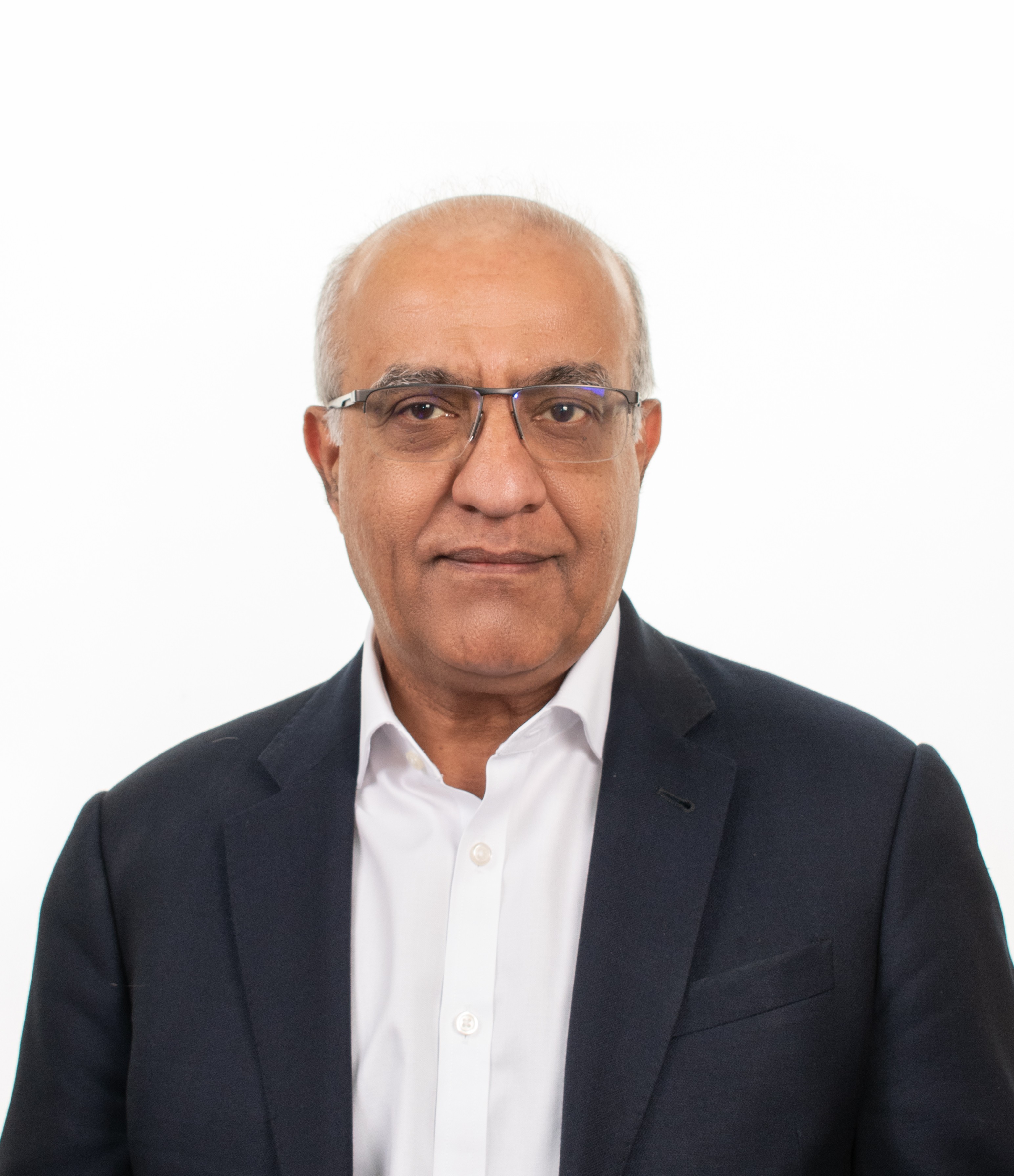
Mahmood Pradhan Moderator
Senior Nonresident Fellow, Bruegel
Biography
Mahmood Pradhan is a Fellow at Bruegel and was previously the Global Head of Macro and Strategy at Amundi Asset Management. Prior to that, he was Deputy Director of the European Department at the IMF (2011–2020), heading the IMF’s bilateral relations with the Euro Area and the EU.
Earlier, Mahmood was the IMF’s mission chief for Japan, oversaw the Fund’s engagement with South East Asia, and served as Assistant Director in the Monetary and Capital Markets Department during the Global Financial Crisis.
He also spent nine years in the asset management industry as an Emerging Markets Strategist with Tudor Investment Corporation and as an Emerging Market portfolio manager at Wadhwani Asset Management. Earlier in his career, he worked at the Bank of England on monetary policy and financial markets.
Panelists:
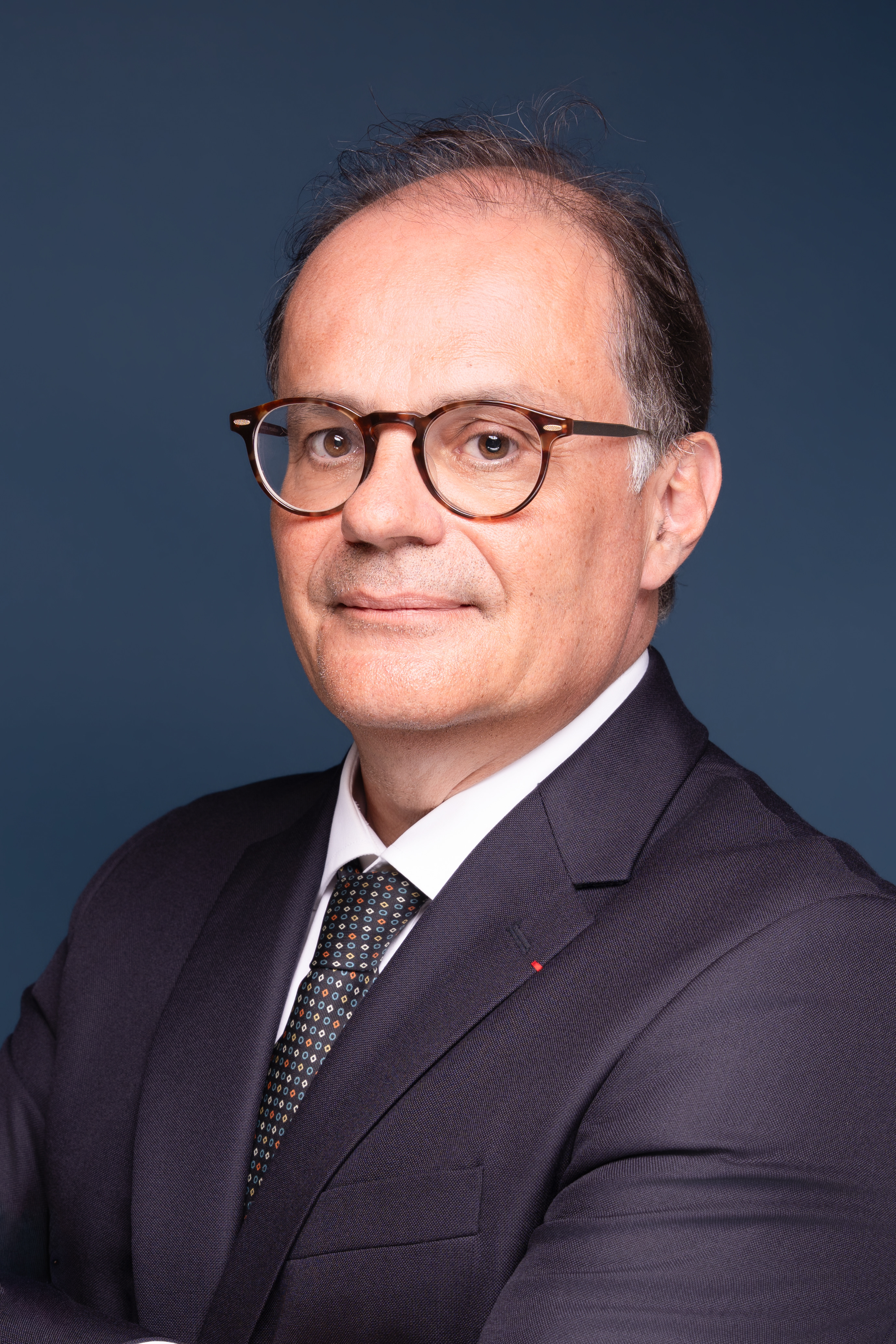
Emmanuel Moulin,
Governor, Banque de France
Biography
Emmanuel Moulin joined the French Treasury in 1996. He was appointed Alternate Director of the World Bank in Washington in 2000 and became Secretary General of the Paris Club in 2003. In 2006, he became senior banker at Citigroup, and in 2007 was appointed Deputy Chief of Staff to Christine Lagarde, Minister of Economy.
He joined the Presidency of the Republic in June 2009 as economic advisor. In May 2012, he joined the Eurotunnel group as Deputy CEO, and in February 2015 became Managing Director of the investment bank Mediobanca.
From May 2017 to November 2020, he was Chief of Staff to the Minister of the Economy, when he was appointed Director General of the Treasury. In January 2024, he was appointed Chief of Staff to the Prime Minister, and in April 2025, Secretary General of the Presidency. In May 2026, he was appointed Governor of the Banque de France.
He graduated from ENA in 1996 and also holds degrees from Sciences-Po, Essec and University Paris II.
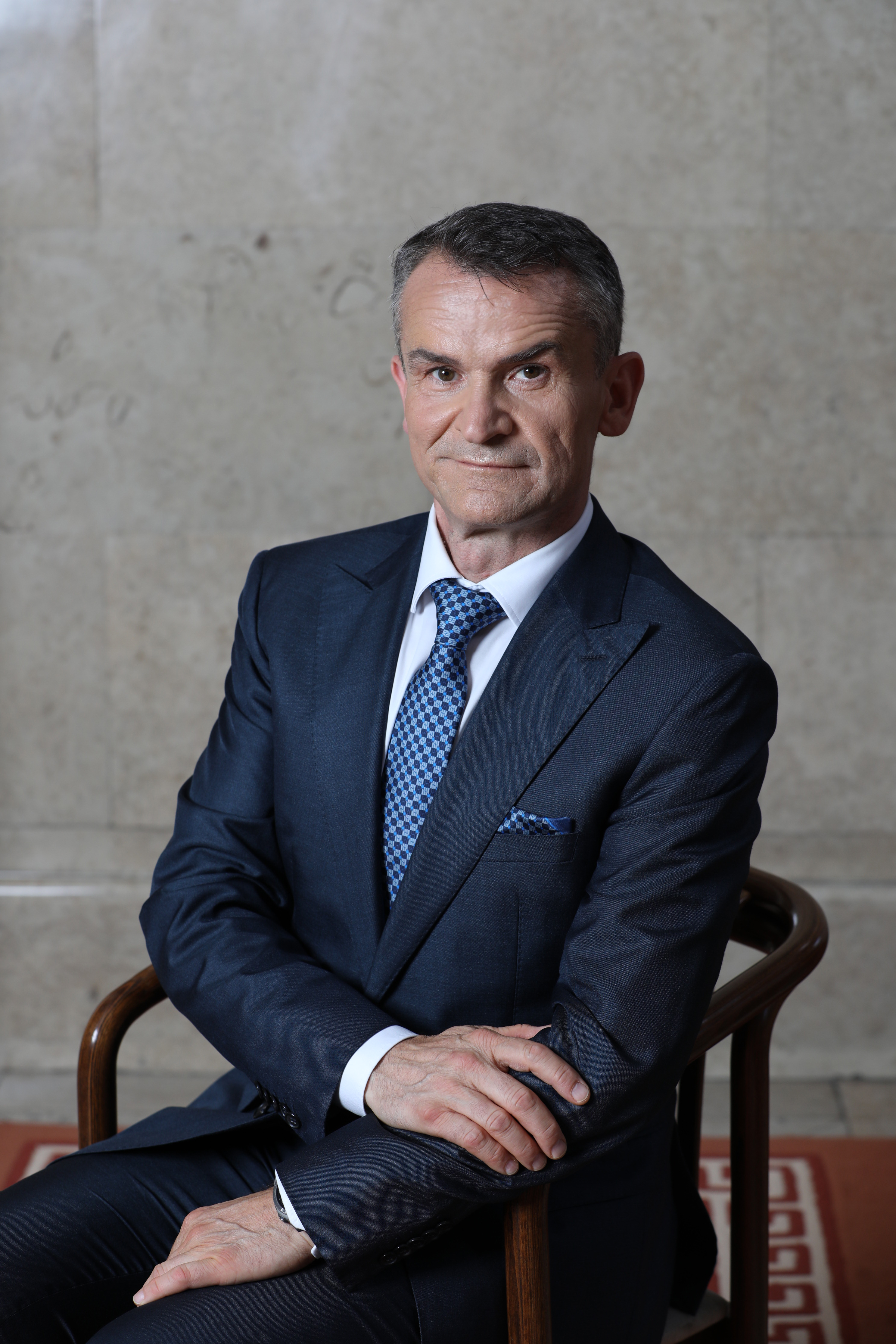
Ante Žigman,
Governor, Croatian National Bank
Biography
Ante Žigman, PhD, graduated from the University of Zagreb, Faculty of Economics and Business, where he also obtained a master’s degree and a PhD in economics.
He started his career at the Croatian National Bank and has since held numerous positions in both the private and public sectors. His professional experience includes roles at the Croatian National Bank, a commercial bank, the Ministry of Finance, and as Advisor to the Governor of the CNB in the segment of fiscal policy. During that period, he also served as Vice President of the Fiscal Policy Commission of the Croatian Parliament and as a member of the Economic and Financial Committee's Sub-Committee on EU Sovereign Debt Markets.
In 2018, he was appointed President of the Board of the Croatian Financial Services Supervisory Agency (HANFA) by the Croatian Parliament, with responsibilities including the regulation and supervision of the non-banking financial sector. In February 2024, he was appointed for a second six-year term in the same function. He has also held numerous European positions, including as a member of the Board of Supervisors and Management Board of the European Insurance and Occupational Pensions Authority (EIOPA), where he also served as Chair of the Risks and Financial Stability Steering Committee, as well as a member of the Board of Supervisors and Management Board of the European Securities and Markets Authority (ESMA).
He has authored a series of scientific and professional papers in the field of fiscal policy and finance and participates in teaching as a lecturer in the field of economics and finance.
Ante Žigman was appointed Governor of the Croatian National Bank by the Decision of the Croatian Parliament on 19 June 2026.
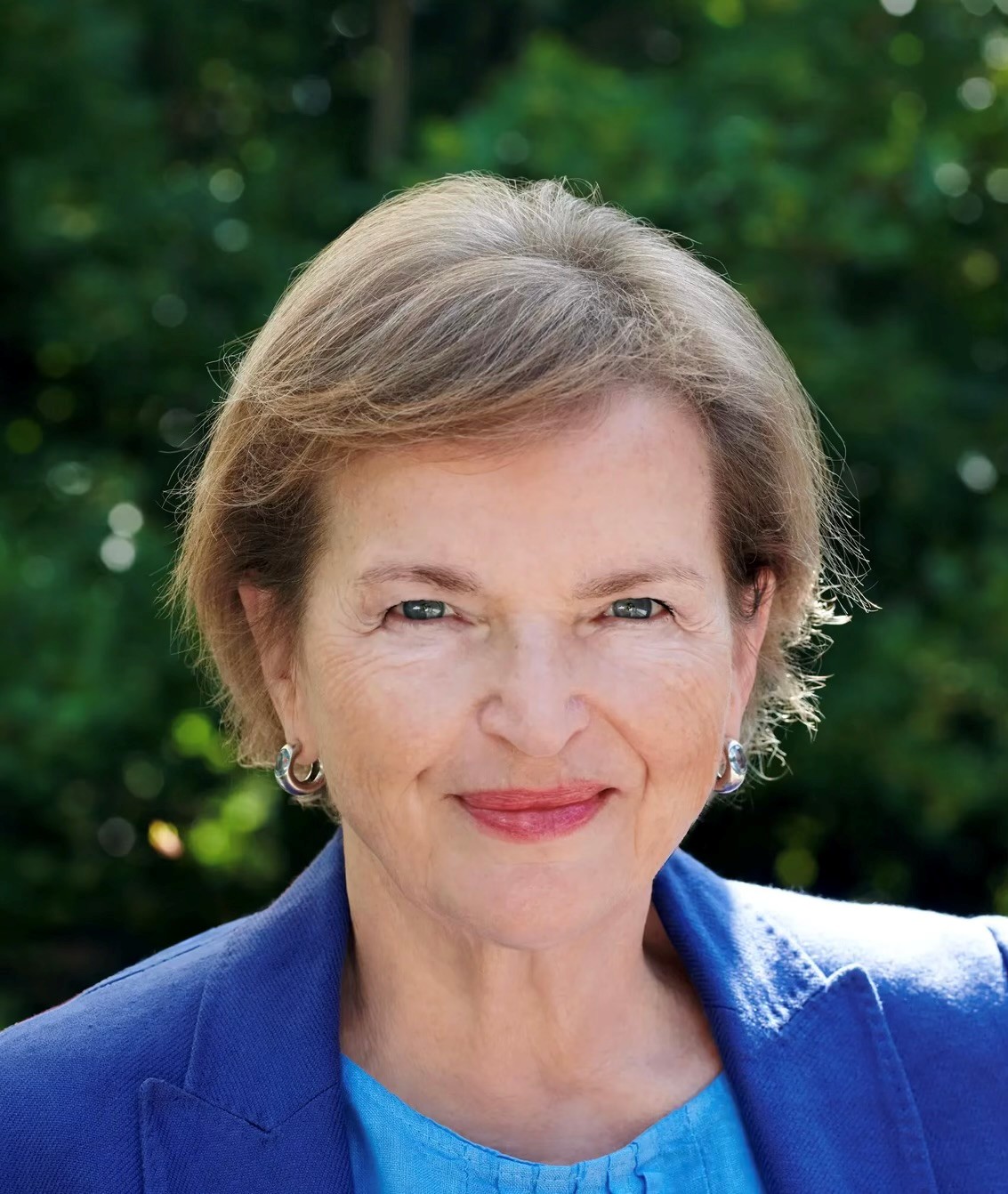
Gertrude Tumpel-Gugerell,
Former Member of the Executive Board,
European
Central Bank
Biography
Gertrude Tumpel-Gugerell was born in 1952 in Austria. She obtained a degree in Economics from the University of Vienna in 1975 and a doctoral degree in 1983.
She is a former Member of the Executive Board of the European Central Bank (ECB) (2003–2011) and former Vice-Governor of the Austrian Central Bank (1998–2003). Prior to this, she held various positions at the Ministry of Finance and at the Austrian Central Bank, including Executive Director for Economics and Financial Stability.
She was closely involved in the introduction of the Euro, served as a member of the European Finance Committee (EFC) from 1998 to 2003, and chaired the Banking Advisory Committee of the European Commission. She currently serves as a Board Member of the Institute for Economic Research (WIFO) and the Institute for International Economic Studies (wiiw) in Vienna, and as Senior Fellow of SAFE (Frankfurt).
She has also served as Non-Executive Director of listed companies, including Commerzbank (2012–2025), VIG (Insurance Company) and AT&S (Semiconductor company).
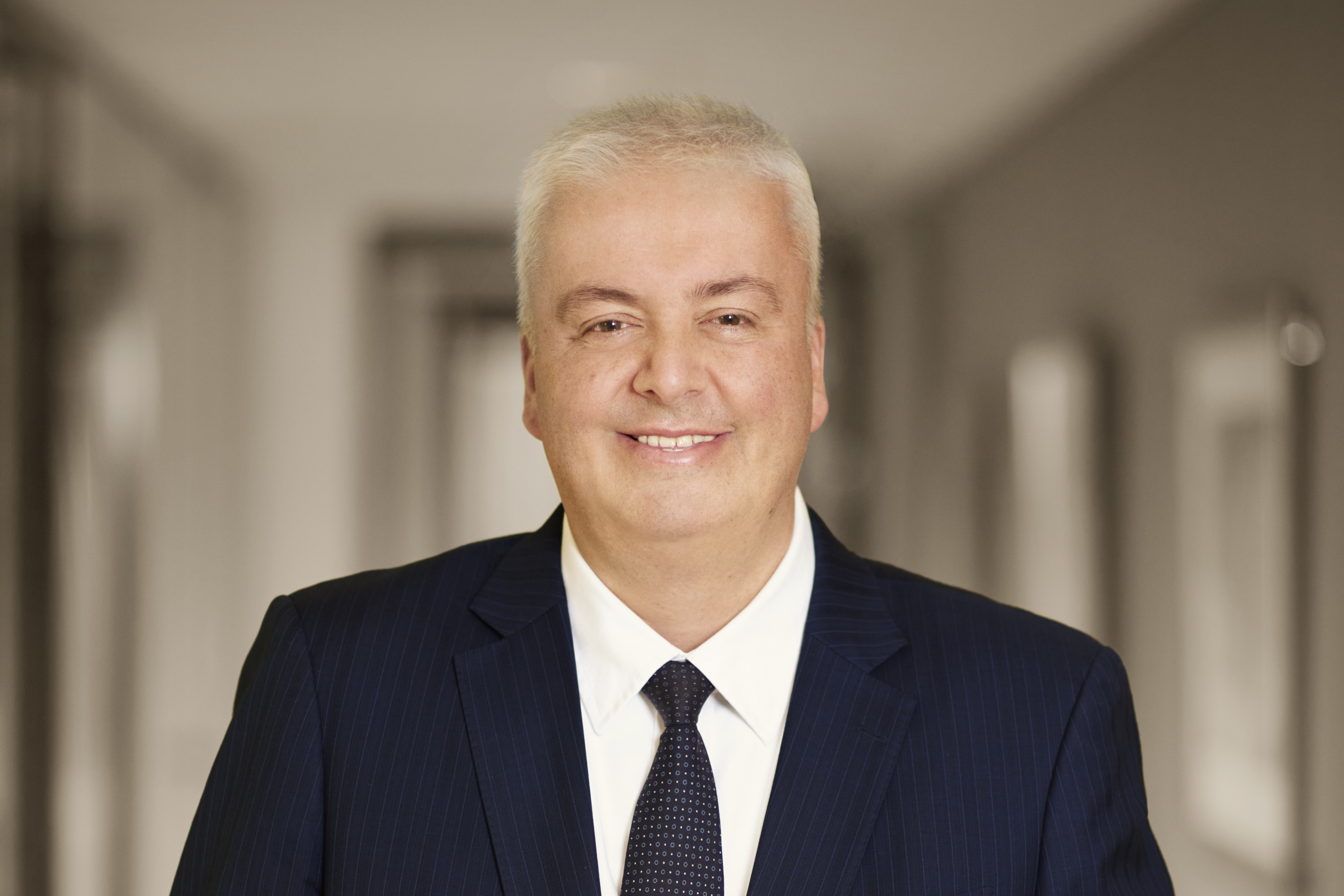
Burkhard Balz,
Former Member of the Executive Board,
Deutsche Bundesbank
Biography
Burkhard Balz was a member of the Executive Board of the Deutsche Bundesbank from 2018 to 2026, where he was responsible for Payments and Settlement Systems, Cash Management, the Digital Euro and International Central Bank Dialogue.
From 2009 to 2018, he was a member of the European Parliament. From 2014 to 2018, he served as the EPP Group’s spokesperson on financial policy in the Committee on Economic and Monetary Affairs. As rapporteur, he oversaw Latvia’s accession to the euro area, the Solvency II Directive, and the regulations on the European Supervisory Authorities.
Before his parliamentary career, Balz held various positions at Commerzbank AG, both in Germany and abroad. He is a lawyer and trained banker.
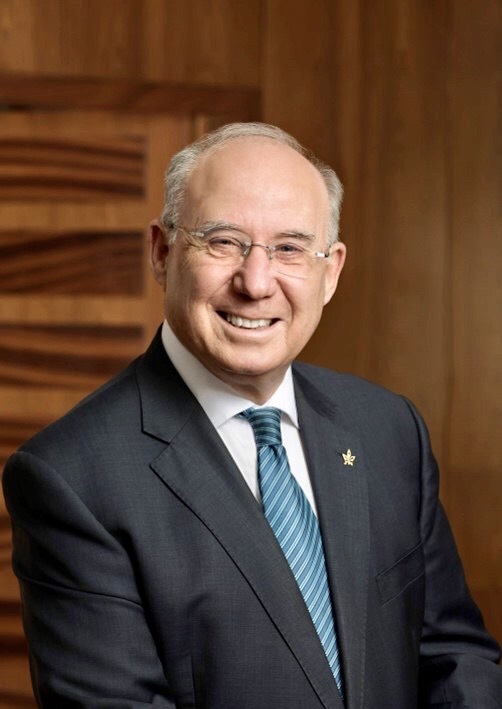
Jacob A. Frenkel,
Chairman Emeritus of the Group of Thirty (G30);
Former Governor, Bank of Israel
Biography
Dr. Jacob A. Frenkel is Chairman Emeritus of the Group of Thirty (G-30), Chairman Emeritus of the Board of Governors of Tel Aviv University, and Chairman of the Board of Directors of the financial firm Plus500.
Previously, he was Chairman of JPMorgan International (2009–2020), Vice Chairman of AIG (2004–2009), Chairman of Merrill Lynch International (2000–2004), and two-terms Governor of the Bank of Israel (1991–2000). He is credited with reducing inflation in Israel and achieving price stability, liberalizing Israel’s financial markets, removing foreign exchange controls, and integrating the Israeli economy into the global financial system.
He was Economic Counselor and Director of Research at the IMF (1987–1991) and the David Rockefeller Professor of International Economics at the University of Chicago (1973–1987). He has held numerous international positions, including Chairman of the Board of Governors of the Inter-American Development Bank (1995–1996) and Vice Chairman of the Board of Governors of the European Bank for Reconstruction and Development (1999–2000). During 2009–2019, he served on the corporate Boards of Boston Properties and Loews Corporation.
Dr. Frenkel is a Fellow of the Econometric Society, a Foreign Honorary Member of the American Academy of Arts and Sciences, a Distinguished Fellow of the CEPR, a Global Member of the Trilateral Commission, and a member of the Board of Directors of the National Bureau of Economic Research, among other positions.
Dr. Frenkel is a Laureate of the 2002 Israel Prize in Economics and is a recipient of several Honorary Doctoral degrees and other decorations and awards from various governments and universities.
Zorica Kalezić Vice-Governor, Central Bank of Montenegro
Practical Information
- Date: September 4, 2026
- Venue:
The Chedi Hotel & Residences, Luštica Bay, Tivat
Website: Explore Our 5-Star Montenegro Hotel – The Chedi Luštica Bay
Google Maps: https://maps.app.goo.gl/UuvvUYfBL73Mr9JHA
All participants are kindly asked to register for the conference by July 15, 2026, via the
provided registration link. Needed information for registration: full name and title,
contact
information, position and institution, country and travel information. All registrants will
receive a
confirmation email upon registering.
Should there be any changes to your travel itinerary, we would kindly ask that you update
your
registration accordingly.
A valid passport is required to enter Montenegro. For visa requirements and application procedures, please consult the following link: Visas and Entry Requirements – Government of Montenegro.If required, the Central Bank of Montenegro can liaise with the relevant Montenegrin authorities to assist with visa processing.
- Tivat Airport (TIV), Montenegro - closest, approximately 30 minutes by car.
- Podgorica Airport (TGD), Montenegro – approximately 1.5–2 hours by car.
- Dubrovnik Airport (DBV), Croatia – approximately 2 hours by car; border crossing required.
- Tivat enjoys a Mediterranean climate with warm daytime temperatures (approximately 24–27 °C), with abundant sunshine and mild evenings in September (~14–19 °C). The Adriatic Sea remains pleasant for swimming, with sea temperatures around 23–25°C. Please check a short-range forecast shortly before your trip for the most accurate conditions.
- International dialing code for Montenegro: +382.
- Montenegro observes Central European Time (CET; UTC+01:00).